
 English
 Español
 Portugues
 Pусский
 Deutsch
 한국어
한국어 Italiano
 Svenska
 ไทย
ไทย Türk dili
 Indonesia
 Melayu
 Tiếng Việt
 қазақ
қазақ বাংলা
বাংলা українська
 norsk
norsk Filipino
 o'zbek

مخرطة عمودية
Vertical Lathe: Overview and Applications A vertical lathe, also known as a vertical turning lathe (VTL), is a specialized machine tool designed for machining large, heavy, or asymmetrical workpieces. Unlike conventional horizontal lathes, a vertical lathe positions the workpiece vertically, allowing gravity to assist in securing the part, which enhances stability and precision during machining. Design and Working Principle The primary components of a vertical lathe include a rotating table (chuck), a vertical column, a crossrail, and tool heads. The workpiece is mounted on the horizontal rotary table, which spins around a vertical axis. The cutting tools, mounted on the tool heads, move along the X, Y, and Z axes to perform turning, facing, grooving, boring, and threading operations. Key features of vertical lathes include: - Sturdy Construction: The vertical orientation minimizes deflection, making it ideal for heavy-duty machining. - Large Workpiece Capacity: Suitable for machining large diameters and heavy components like turbine rotors, gears, and flanges. - Precision and Stability: The vertical setup reduces vibration, ensuring high accuracy. - Automation Compatibility: Many modern VTLs integrate CNC controls for automated, high-efficiency operations. Applications Vertical lathes are widely used in industries requiring the machining of large, heavy, or complex parts, including: - Energy Sector: Manufacturing turbine components, generator rotors, and valve bodies. - Aerospace: Producing landing gear parts, engine casings, and structural components. - Heavy Machinery: Machining large gears, bearings, and hydraulic components. - Transportation: Fabricating railway wheels, brake discs, and marine propulsion parts. Advantages Over Horizontal Lathes - Better Workpiece Handling: The vertical setup simplifies loading/unloading of heavy parts. - Improved Chip Evacuation: Chips fall away naturally, reducing interference with machining. - Space Efficiency: Requires less floor space compared to horizontal lathes for similar-sized workpieces. Conclusion Vertical lathes are indispensable in heavy industrial machining, offering superior stability, precision, and efficiency for large-scale components. Their versatility and robust design make them a preferred choice in sectors where conventional horizontal lathes fall short. With advancements in CNC technology, vertical lathes continue to evolve, meeting the demands of modern manufacturing.
نتاج
تصنيف:
مخرطة عمودية
-
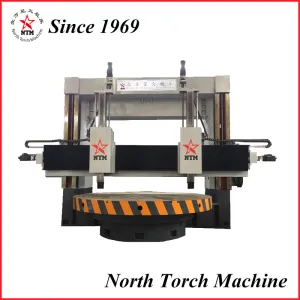
مخرطة عمودية ذات أعمدة مزدوجة
تصنيفها: مخرطة عموديةالمشاهدات: 57عدد:وقت الإصدار: 2025-11-25 13:21:40مخرطة عمودية ذات أعمدة مزدوجة: نظرة شاملة المخرطة العمودية ذات الأعمدة المزدوجة عبارة عن أداة آلية متقدمة للغاية ومتعددة الاستخدامات مصممة لعمليات التشغيل الثقيلة. يتم استخدامه على نطاق واسع في صناعات مثل الطيران والطاقة والسيارات والآلات الثقيلة نظرًا لاستقراره الاستثنائي ودقته وقدرته على التعامل مع قطع العمل الكبيرة والمعقدة. تستكشف هذه المقالة الميزات والمزايا والتطبيقات والتطورات التكنولوجية الرئيسية للمخرطة العمودية ذات الأعمدة المزدوجة، مما يوفر فهمًا تفصيليًا لأهميتها في التصنيع الحديث. 1. مقدمة إلى المخرطة العمودية ذات الأعمدة المزدوجة المخرطة العمودية ذات الأعمدة المزدوجة هي نوع من... -
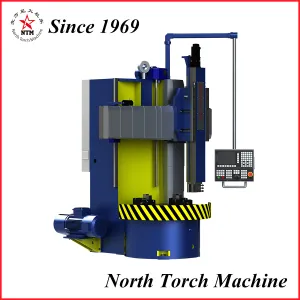
مخرطة عمودية
تصنيفها: مخرطة عموديةالمشاهدات: 60عدد:وقت الإصدار: 2025-11-26 13:35:41المخرطة العمودية، والمعروفة أيضًا باسم مطحنة الثقب العمودية أو VTL، تمثل حجر الزاوية في التصنيع الصناعي الثقيل، وتم تصميمها خصيصًا لتصنيع قطع العمل الكبيرة والثقيلة والقصيرة التي يصعب تركيبها على المخارط الأفقية التقليدية.
أخبار
تصنيف:
-
[Industry news]آلة مخرطة ثقيلة – كيفية ضمان الاستقرار أثناء التشغيل؟
2025-11-26 09:11:25
حالة
تصنيف:
لا توجد نتائج بحث!
فيديو
تصنيف:
لا توجد نتائج بحث!
تحميل
تصنيف:
لا توجد نتائج بحث!
تجنيد
تصنيف:
لا توجد نتائج بحث!
المنتجات الموصى بها
-
NEWS
مخرطة عمودية ذات أعمدة مزدوجة
مزيد من المعلومات



 هاتف
هاتف